
We are releasing Icinga TOTP Web v1.0.0, which adds Time-based One-Time Password (TOTP) two-factor authentication to Icinga Web. What Is Icinga TOTP Web? Icinga Web's authentication system supports...
Icinga TOTP Web 1.0.0 Release
We are releasing Icinga TOTP Web v1.0.0, which adds Time-based One-Time Password (TOTP) two-factor authentication to Icinga Web. What Is Icinga TOTP Web? Icinga Web's authentication system supports...

Features in Icinga Web 2 Worth Knowing About
When you work closely with Icinga Web 2, developing modules, building dashboards, poking around the internals, you naturally pick up on features that most users never think about. Some are usability improvements that deserve more attention than they get. Others are...
Monitoring Docker Containers with Icinga
A container reporting "up" tells you the process is running, not that the workload is healthy - but that caveat is true of any service, on a container or a bare server. What makes containers their own monitoring problem is the layer around the process: per-container...

Icinga Notifications – How to Set Up Desktop Alerts
We recently released the beta version of our Notification Web Module, which includes a cool feature that is not yet known to everyone. We named it Desktop Notifications (Browser Push Notifications). With this feature enabled, your browser can send you instant...
Getting Started with Icinga: Your All-in-One Guide to Mastering Monitoring
If you’re looking for a comprehensive guide to getting started with Icinga, you’re in the right place. Whether you're new to Icinga or a seasoned user who thinks they’ve seen it all, some of these resources could surprise you with a few tricks. Let's dive into the...

Monitoring domains and DNSSEC properly
First of all, if you own a domain, the following text is for you. In production you obviously want to reduce outages. And an outage of a DNS domain as such takes down all services under that domain, no matter whether your LAMP components are all up and running. At...

How to Do Code Review: A Guide for Teams That Care About Quality
We at Icinga / NETWAYS (yes, that’s the order) held an internal event recently. It’s name was Knowledge Days and I got to to talk about how I review code. Now, I will share my knowledge with you! Though, this is specifically how I personally perform reviews. This is...

Infrastructure Monitoring Checklist: What you should monitor
You want to monitor your infrastructure? Monitoring is essential to ensure system stability, security and optimal performance. Without proper monitoring, small issues can quickly escalate into major problems and affect productivity and service availability. While...
Icinga Notifications: Incident muting
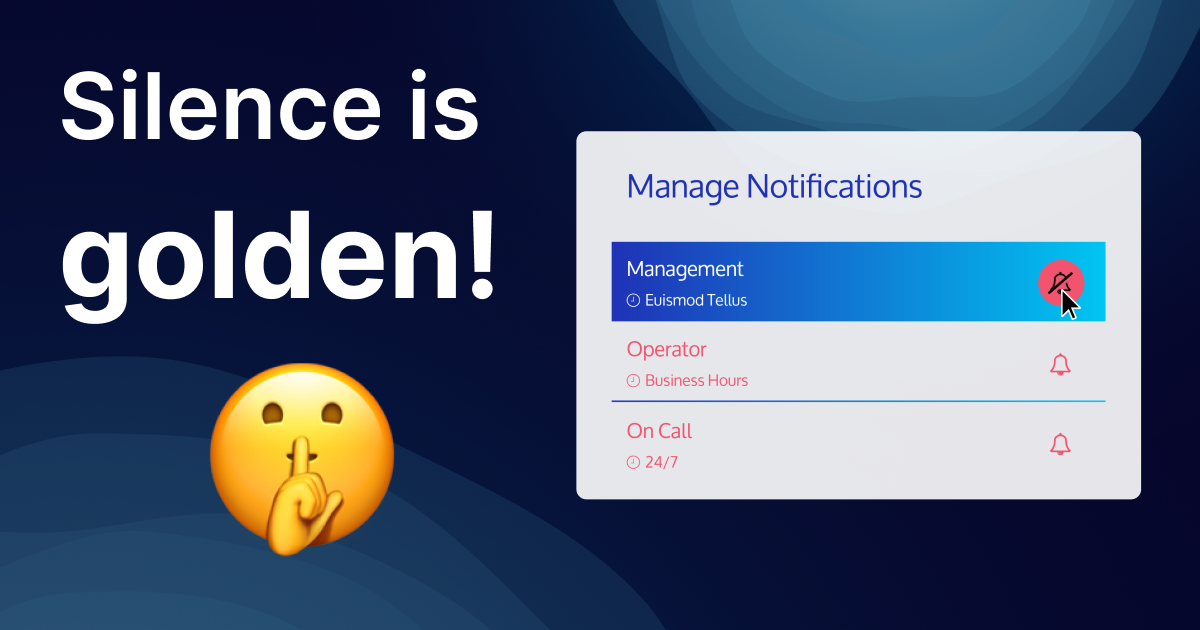
In a previous article, Julian provided a comprehensive overview of the characteristics and functionality of Incidents in Icinga Notifications. In today's blog, I will explain the concept of Incident muting and its underlying mechanisms. What is Incident Muting? The...
Monitoring Automation with Icinga Director – Simplify Configuration Management
Automating the monitoring process for a huge amount of servers, virtual machines, applications, services, private and public clouds is a main driver for users when they decide to use Icinga. In fact, monitoring large environments is not a new demand for us at all. We...

Icinga Notifications: Custom Channel Plugins
As many of you have already seen in our previous blog posts and our early beta release, we're working on a new, independent notification module. Right now, we only offer three ready-made channels for sending notifications. Today, I want to show you how you can create...
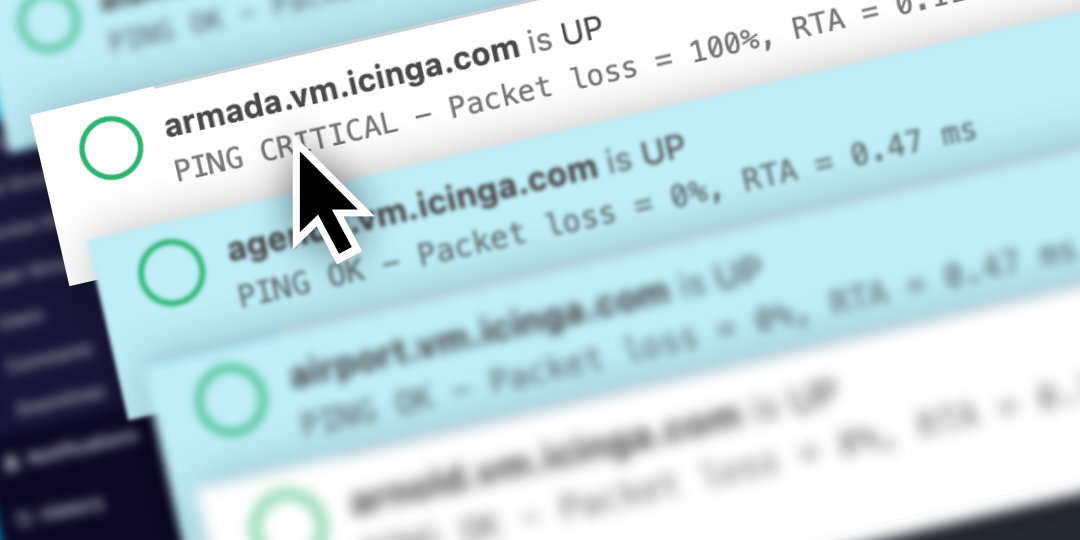
Multi Element Selection in Icinga DB Web
From time to time we want to bring not so widely known features of Icinga into spotlight. In this effort it’s a not so obvious feature, that was available in the monitoring module of Icinga Web 2 at some point already. It has also been available in Icinga DB Web since...

Subscribe to our Newsletter
A monthly digest of the latest Icinga news, releases, articles and community topics.