
A container reporting "up" tells you the process is running, not that the workload is healthy - but that caveat is true of any service, on a container or a bare server. What makes containers their...
Monitoring Docker Containers with Icinga
A container reporting "up" tells you the process is running, not that the workload is healthy - but that caveat is true of any service, on a container or a bare server. What makes containers their...
IPL: How to use the ipl-web TermInput
Most form fields ask users for a single value like a name, an email, or a date. But some need a list of values. A plain text input with comma-separated values can technically do the job, but it gives no feedback while typing, no suggestions, and one invalid entry...

How to Create Your Own Plugins and Check Commands in Icinga 2
If you've been using Icinga 2 for a while, you probably know the built-in checks cover a lot of ground: disk space, CPU, memory, ping. But sooner or later you'll run into something specific to your setup that no existing plugin handles. That's where writing your own...
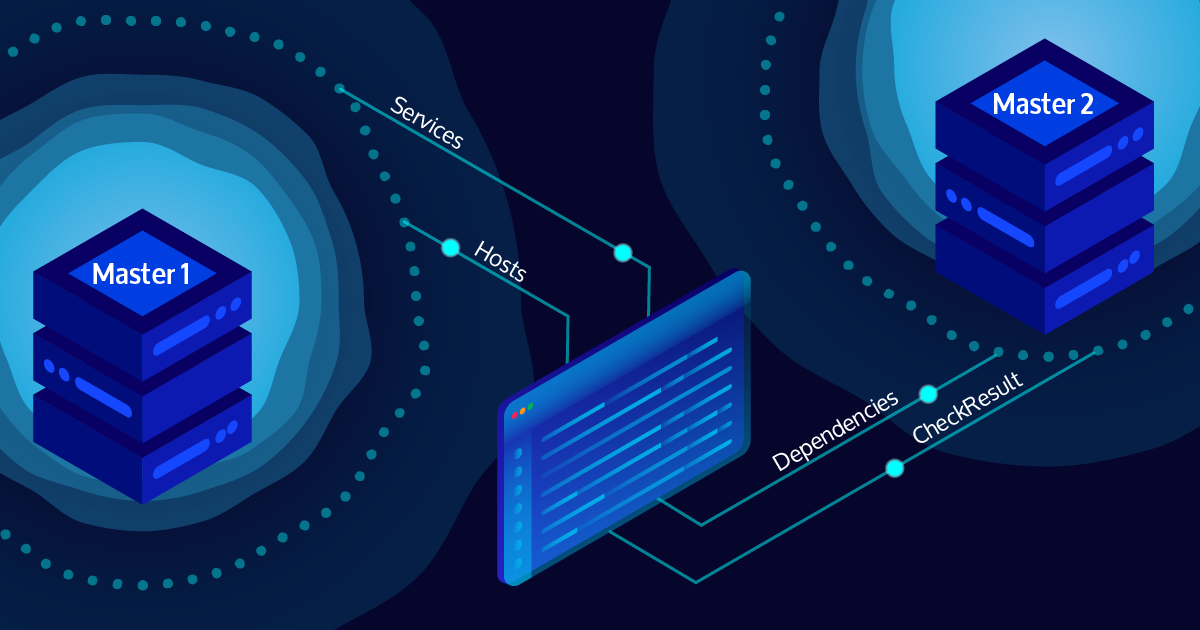
Icinga 2 API and debug console
Have you ever experienced configuration issues, such as notifications not being sent as expected or apply rules not matching all expected objects, probably due to an incorrectly set custom variable? Icinga 2 has several options to assist you in such situations. Last...

IPL: How to use ipl-web
In my ongoing blogpost series about the Icinga PHP library, I am briefly explaining what the individual components of this library do and how easily you can use them in your project. In my previous blog post, i already covered the ipl-html and explained how easy it is...

Icinga 2 API with Let’s Encrypt certificates, just for fun
In our community forum Michael already outlined the possibility to operate Icinga 2 with an external certification authority, not the one Icinga 2 generates by itself. Thomas, one of our NETWAYS colleagues, reported his experience in that field: in short, it's easy to...
IPL: How to use ipl-stdlib and ipl-i18n
In my previous blogpost, I explained how easy it is to validate forms with the ipl-validator. Today we will talk about the following two very useful libraries: Ipl-stdlib: All our libraries are based on this library. It provides many useful features like string...
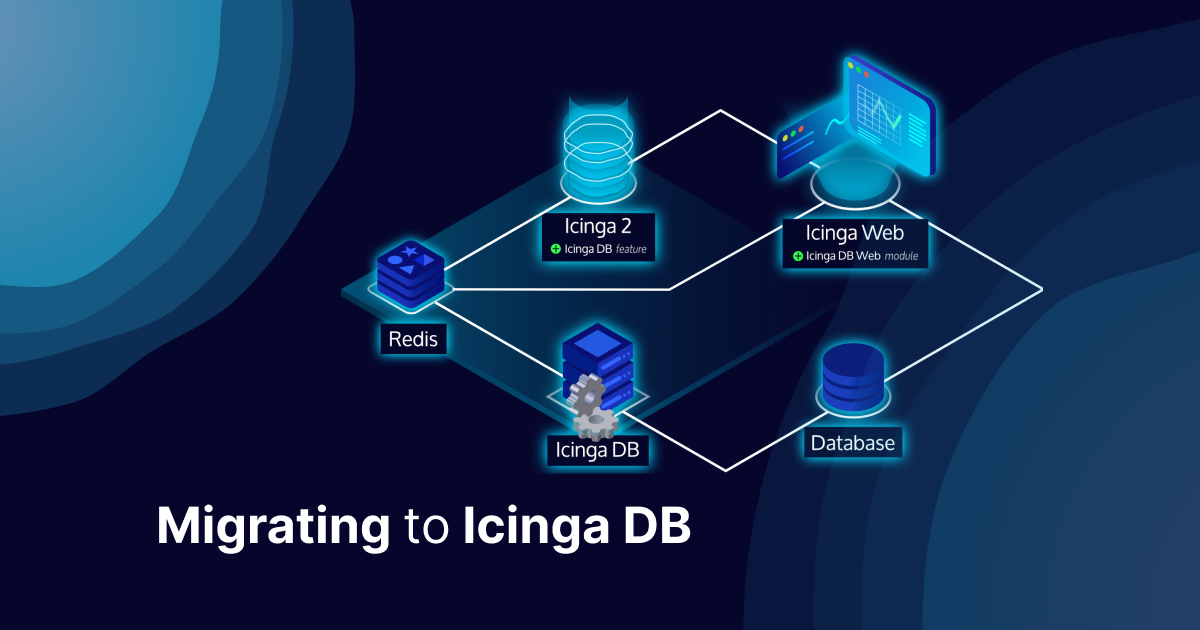
Migrating to Icinga DB
Although Icinga DB has been around for some time and many customers and users are already using it, there may still be some who are wondering how to upgrade/migrate to Icinga DB. This post will briefly explain the components of the Icinga DB and how to install them in...

Mapping Hostnames to Locations with Icinga Director – A Step-by-Step Guide
Recently I came across the Maps module build and maintained by our community. The module displays host objects and annotations on openstreetmap using the JavaScript library leaflet.js. The module reads the coordinates for each host from custom variables and is able to...
How to resolve circular dependency in Icinga2
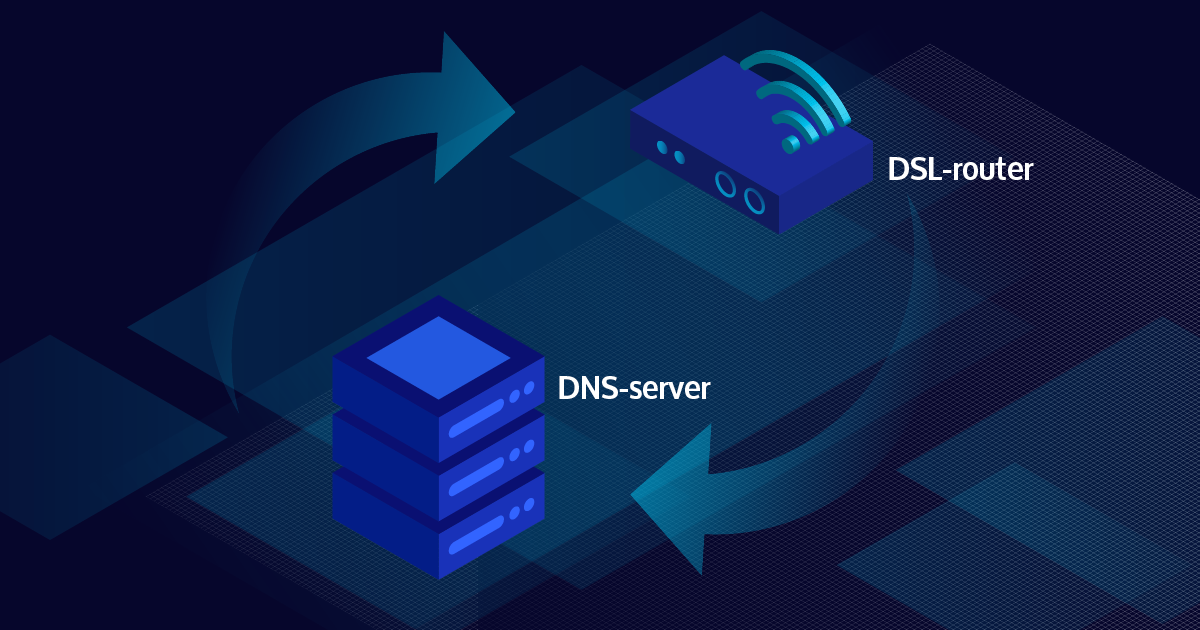
We recently announced the general availability of Icinga 2.14, which most of you might have noticed, and with that in mind, I'd like to show you how you can easily troubleshoot and eliminate some of the dependencies headaches known as the dependency cycle. What does...
CSS doesn’t need to be ugly
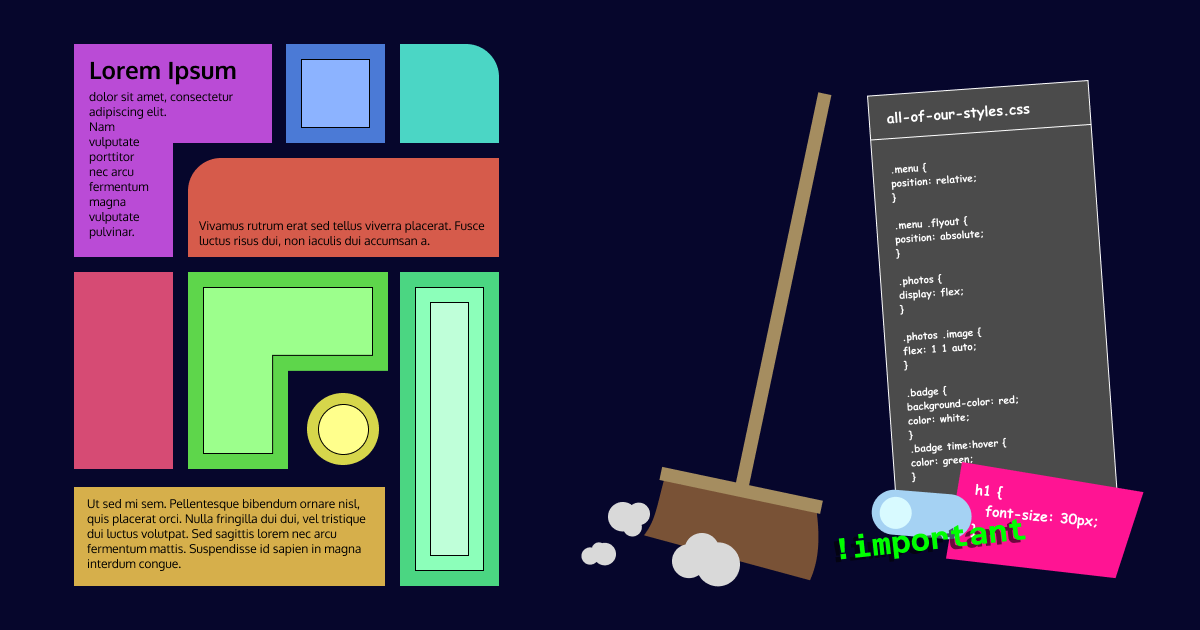
Ever looked at some CSS and your first instinct was to close the editor and never look at it again? I did. Though, I don't have the luxury to close the editor in such a case, as is probably often the case for others as well. Code grows with time and so do bad...

Icinga Kubernetes Helm Charts
Daniel Bodky and Markus Opolka from our partner NETWAYS developed the very first Icinga Kubernetes Helm Charts and released it in an alpha version. If you have ever wanted to deploy an entire Icinga stack in your Kubernetes cluster, now is your chance. I also want to...

Subscribe to our Newsletter
A monthly digest of the latest Icinga news, releases, articles and community topics.