
Go's os.Root feature, introduced in Go 1.24, is designed to improve filesystem security by restricting operations to a specific directory, making it much harder for attackers to exploit path...
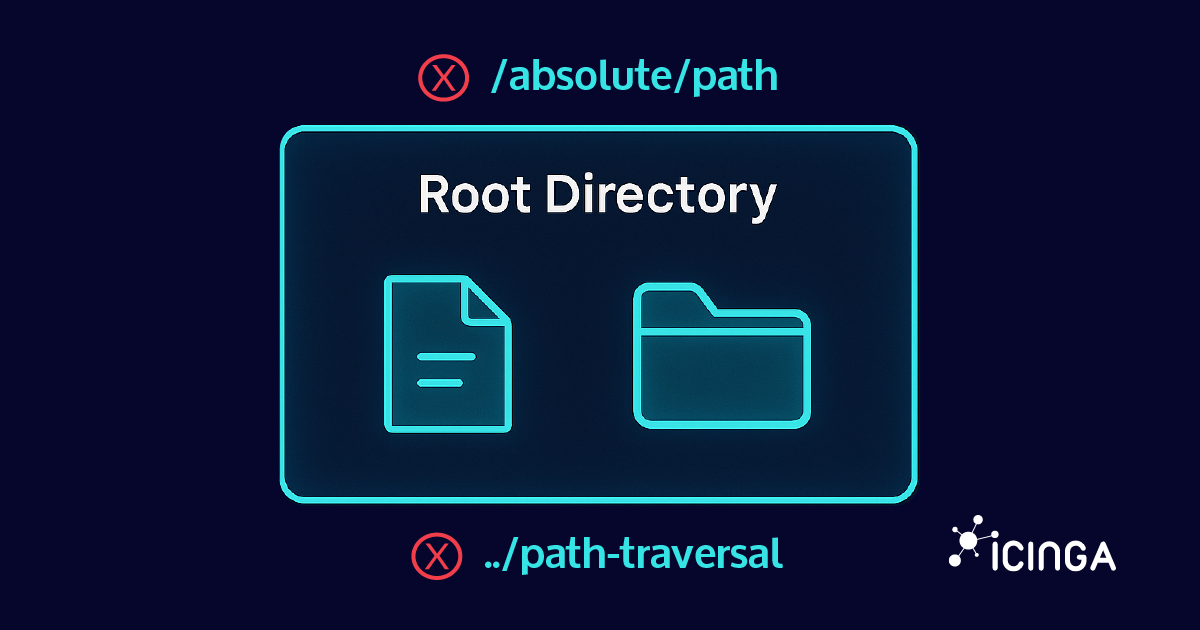
Secure File Operations in Go with os.Root: Preventing Path Traversal
Go's os.Root feature, introduced in Go 1.24, is designed to improve filesystem security by restricting operations to a specific directory, making it much harder for attackers to exploit path...
Releasing Icinga Web Jira Integration v1.4.0
We are happy to announce the release of Icinga Web Jira Integration v1.4.0 today. You can find all issues related to this release on our roadmap. What’s It All About This release ensures the compatibility with Atlassian Jira 10.2 among other changes and fixes. Changes...

Using Icinga 2 on NixOS
I use NixOS by the way. And today I'm going to show you how to operate a simple Icinga setup using that operating system. I.e. a single node with checks and notifications. In contrast to Icinga Web 2 or Redis, NixOS provides an Icinga 2 package, but no module....

Infrastructure Monitoring Checklist: What you should monitor
You want to monitor your infrastructure? Monitoring is essential to ensure system stability, security and optimal performance. Without proper monitoring, small issues can quickly escalate into major problems and affect productivity and service availability. While...
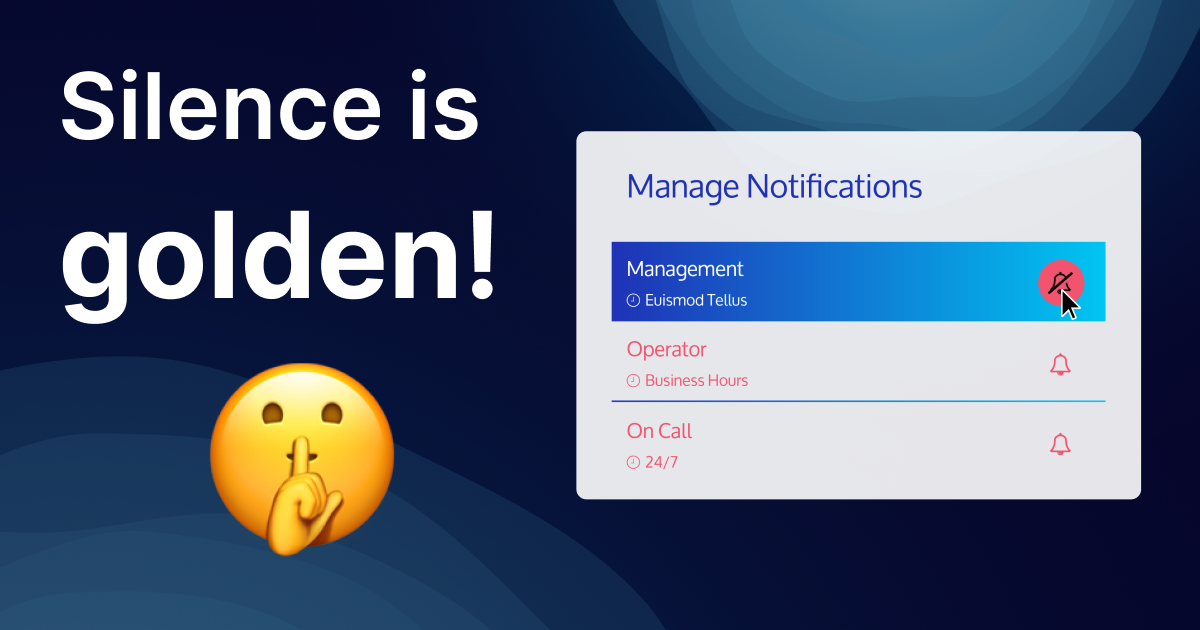
Icinga Notifications: Incident muting
In a previous article, Julian provided a comprehensive overview of the characteristics and functionality of Incidents in Icinga Notifications. In today's blog, I will explain the concept of Incident muting and its underlying mechanisms. What is Incident Muting? The...
Monitoring Automation with Icinga Director – Simplify Configuration Management
Automating the monitoring process for a huge amount of servers, virtual machines, applications, services, private and public clouds is a main driver for users when they decide to use Icinga. In fact, monitoring large environments is not a new demand for us at all. We...
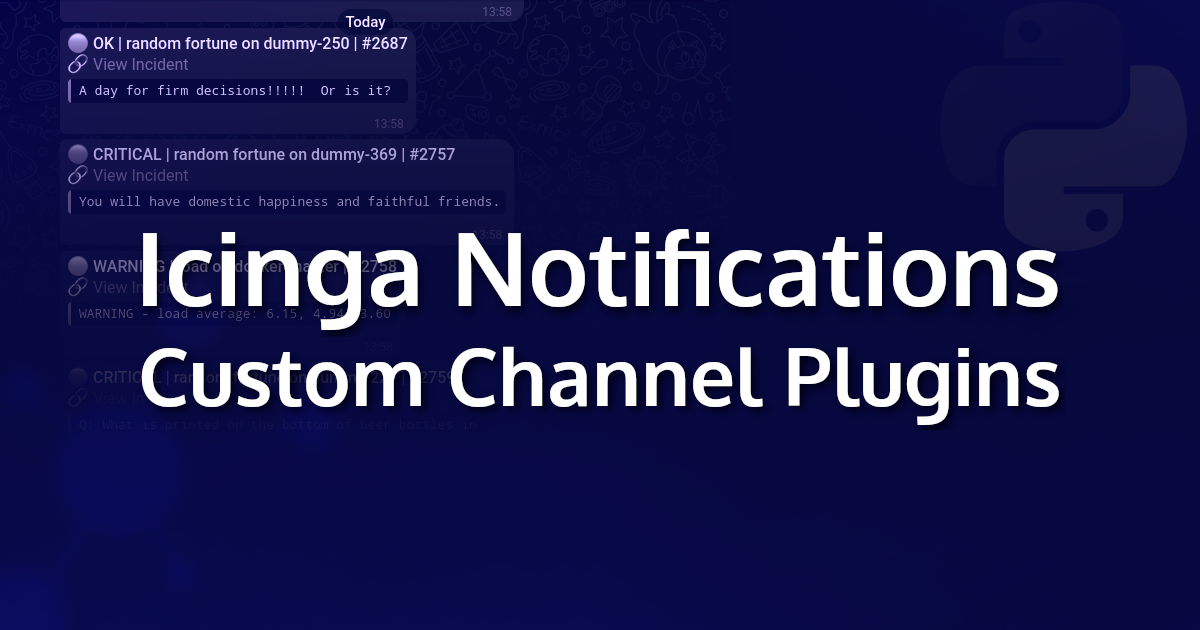
Icinga Notifications: Custom Channel Plugins
As many of you have already seen in our previous blog posts and our early beta release, we're working on a new, independent notification module. Right now, we only offer three ready-made channels for sending notifications. Today, I want to show you how you can create...
Announcing Icinga for Kubernetes v0.2.0
We are excited to announce the release of Icinga for Kubernetes v0.2.0! This update brings a host of new features and improvements that enhance our monitoring solution for Kubernetes. It makes it easier than ever to analyze problems and understand complex Kubernetes...

Icinga Certification is out!
The Icinga certification is a topic some of you have been waiting for impatiently. Some got a glimpse at it already at the Icinga Summit. Some of you might have never heard of it before. This is your opportunity to prove your skills and take the next step in your...
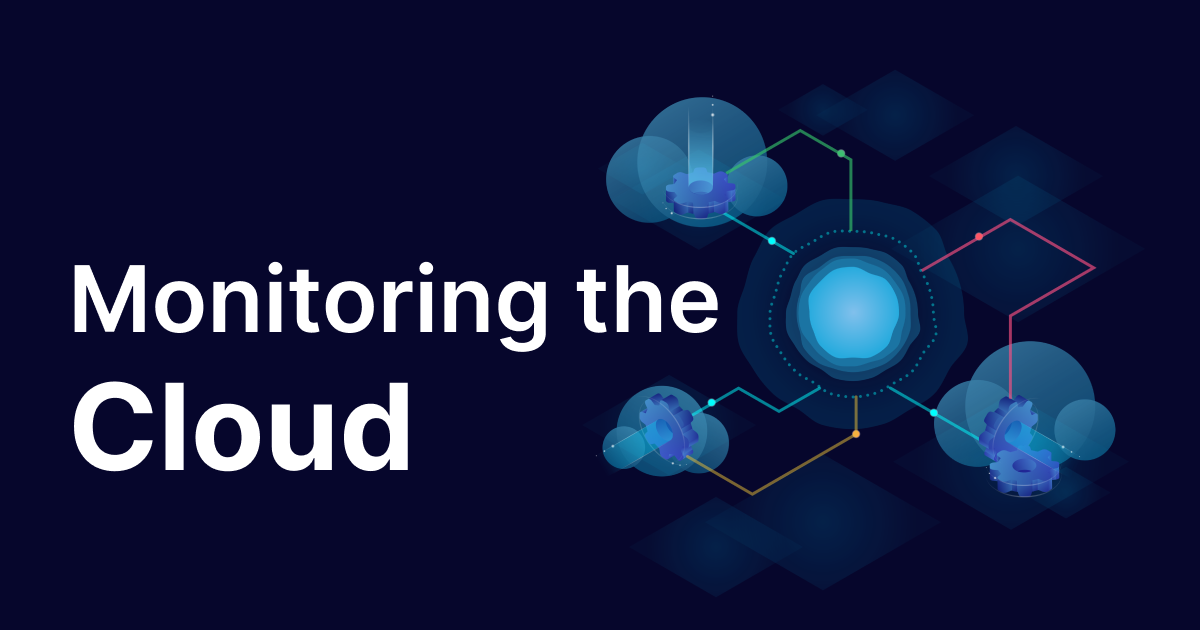
What a Cloud Monitoring Architecture looks like
In today's fast-paced, digitally-driven business world, cloud computing has become the foundation of scalable and flexible IT infrastructure. As organizations transition to the cloud to gain agility, scalability, and cost savings, it becomes crucial to monitor cloud...
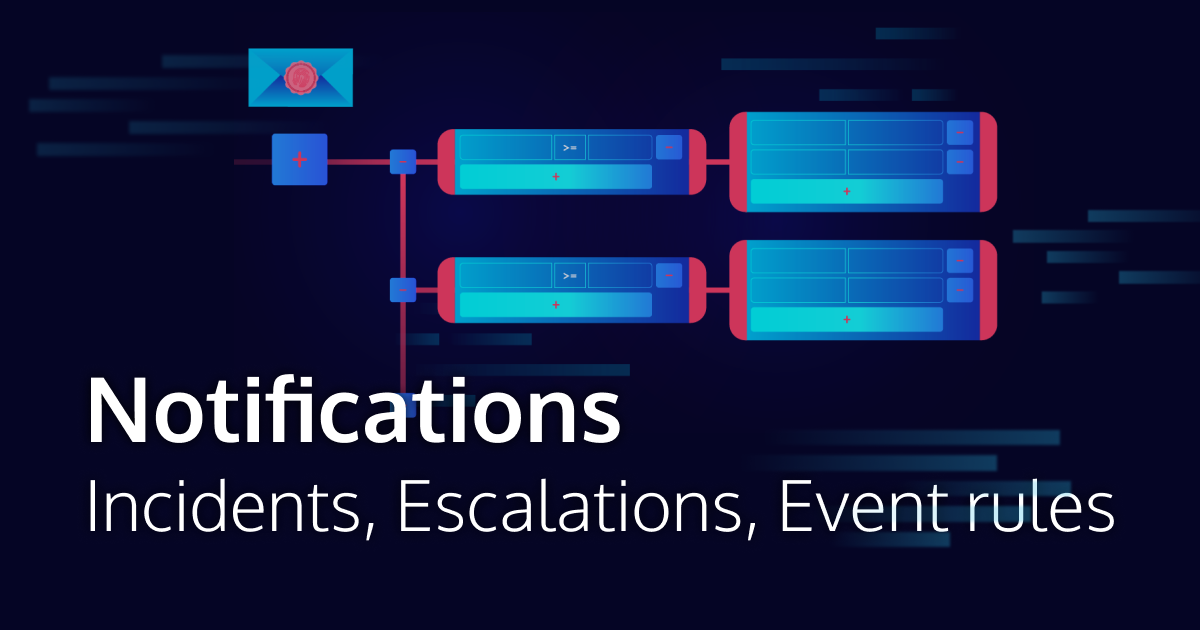
Icinga Notifications: Incidents, Escalations, and Event Rules – How to Manage Alerts Effectively
Following the Icinga Notifications beta announcement, we already had a more general post on how to get started and one going into the details of schedules. This week's blog post is a follow up in this series and will describe incidents, escalations, and event rules in...
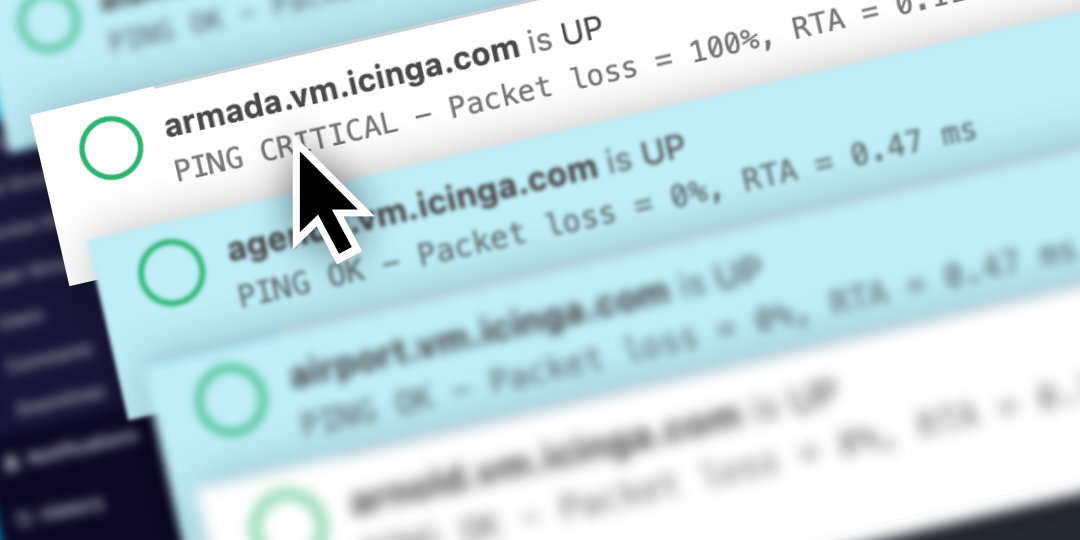
Multi Element Selection in Icinga DB Web
From time to time we want to bring not so widely known features of Icinga into spotlight. In this effort it’s a not so obvious feature, that was available in the monitoring module of Icinga Web 2 at some point already. It has also been available in Icinga DB Web since...

Subscribe to our Newsletter
A monthly digest of the latest Icinga news, releases, articles and community topics.