
A Fresh Take on Form Element Decorators Decorators have always been a powerful concept in Icinga Web’s form system — letting developers control how form elements are displayed without hardcoding...

Ipl-html: Introducing new Form Element Decorators
A Fresh Take on Form Element Decorators Decorators have always been a powerful concept in Icinga Web’s form system — letting developers control how form elements are displayed without hardcoding...
Icinga Notifications v0.2.0 Release
Some of you might have already heard about this at OSMC, or you may have received a release notification from GitHub already: our Icinga Notifications project made a step forward and we are happy to announce that version 0.2.0 is now available for you to try out. It...
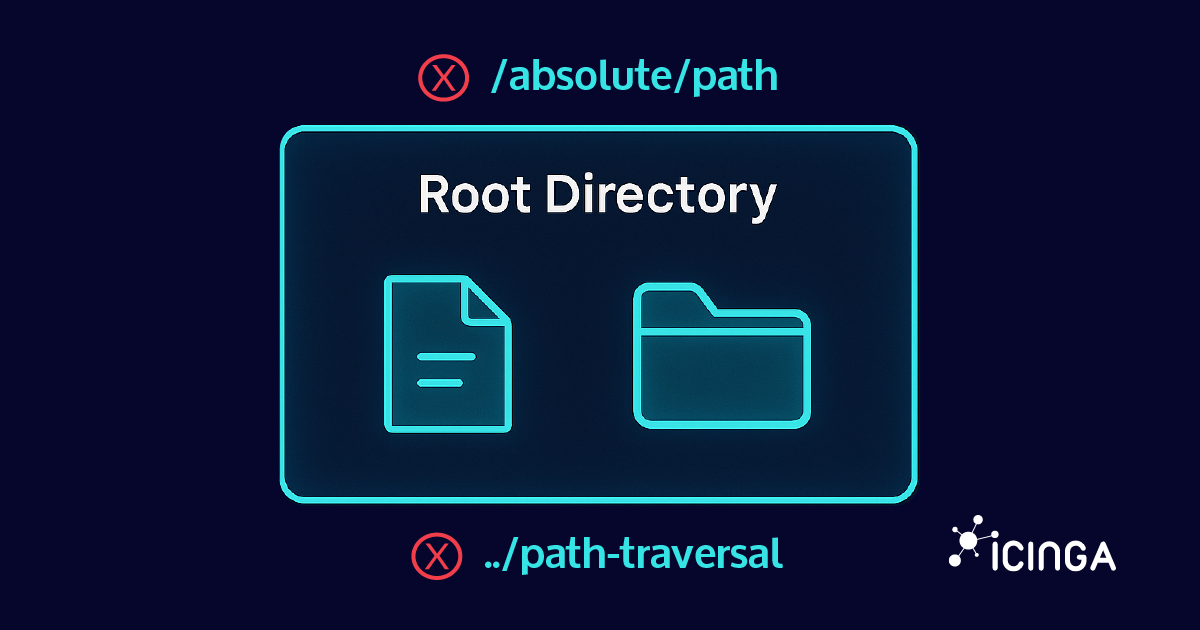
Secure File Operations in Go with os.Root: Preventing Path Traversal
Go's os.Root feature, introduced in Go 1.24, is designed to improve filesystem security by restricting operations to a specific directory, making it much harder for attackers to exploit path traversal vulnerabilities. This is especially valuable for scenarios like...
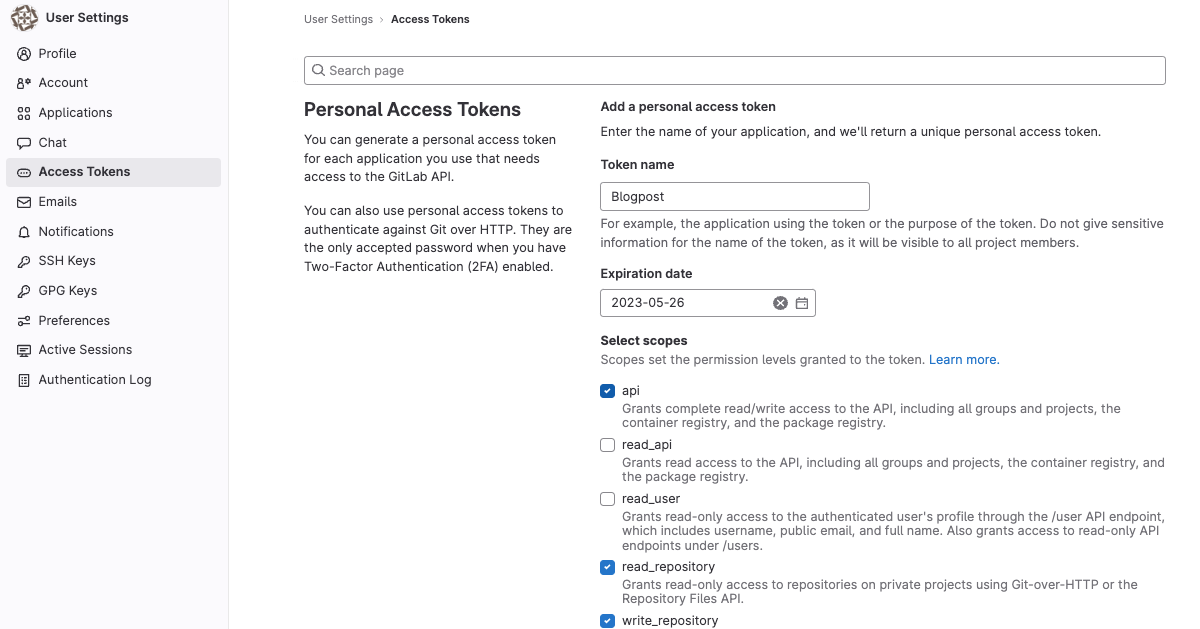
A Short Overview: GitLab Tokens
During my recent work on extending our GitLab packaging capabilities, I came across various types of tokens that can be used to authenticate users, services, and pipelines while using GitLab CI/CD. Each token has its unique features and use cases that can help ensure...
Releasing Icinga Certificate Monitoring v1.2.0
Today we’re announcing the general availability of the Icinga Certificate Monitoring in version 1.2.0. You can find all issues related to this release on our Roadmap. Please also refer to the corresponding upgrade section in the documentation. What’s New? To begin...

Feedback Week & Community Call
It's here! We're starting today! The Icinga Feedback Week: an entire week dedicated to you, as well as honoring those that are dedicated to the community. By asking you questions and getting your answers, we’re gathering your thoughts and feedback, which are very...
Releasing Icinga Web Jira Integration v1.3.0
We are happy to announce the release of Icinga Web Jira Integration v1.3.0 today. You can find all issues related to this release on our Roadmap. What's It All About The last state change of an Icinga object is now shown in the Jira issue description. This allows you...
Releasing Icinga Cube v1.3.0
Today we’re announcing the general availability of the Icinga Cube in version 1.3.0. You can find all issues related to this release on our Roadmap. What's it all about The impatient and attentive reader can take a look at the screenshot below first. It shows all the...
Leveraging component variants in Figma for UI Design
Being a Sketch user since it's early days, I found Figma looked really promising, when it finally appeared. While Sketch caught up on most of Figma's features, like collaboration, developer handoff and AutoLayout (at least to some degree), the small feature set...

How Tenacta Group uses Icinga
This is a blogpost from Livio Daina from Tenacta Group Tenacta Group is an Italian company with a portfolio of worldwide leading brands that share the same mission: to develop designs and technological innovations that will improve people's quality of life. We have...
The Tale of a Single Lock in Icinga 2
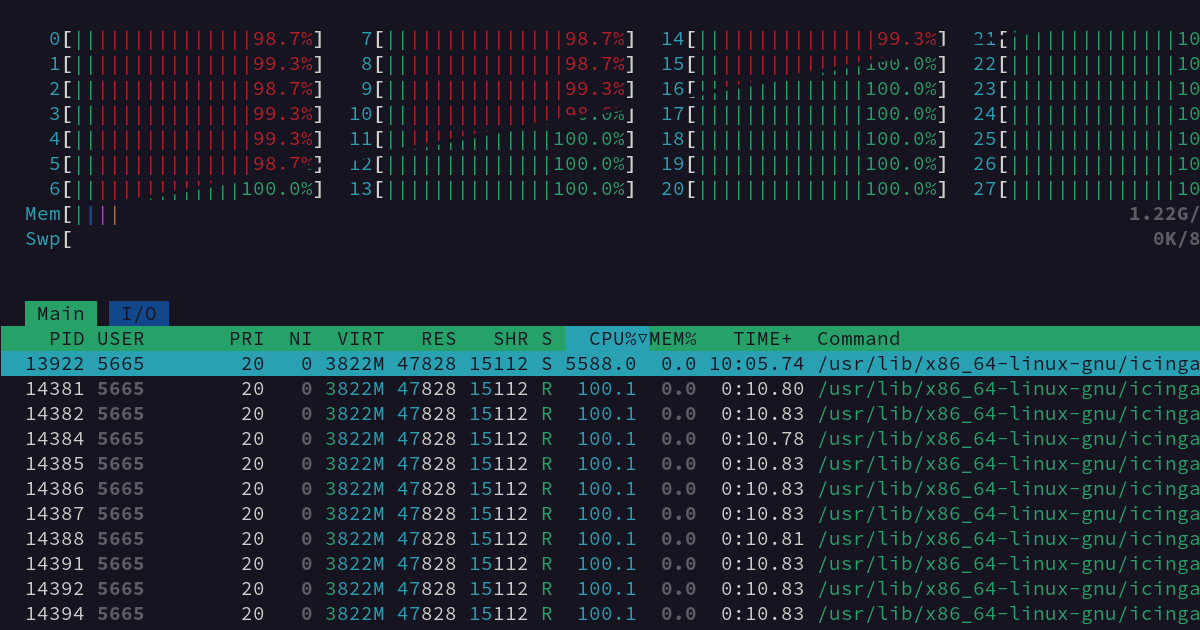
To speed up startup and reload times of Icinga 2, we have already put a lot of effort into improving the configuration load performance and still continue to do so for the next major release. In this blog post, I will share the story of one particular issue we found,...

Why is Icinga called Icinga?
It's the year 2009, a nice weekend in late spring and a small group of monitoring enthusiasts comes together to discuss how to move forward with the idea of forking Nagios. Plans were made to make it faster, easier, more scalable, and simply better. Of course, such a...

Subscribe to our Newsletter
A monthly digest of the latest Icinga news, releases, articles and community topics.