
CMake tends to have a bad reputation for being to complex and convoluted, but often that notion stems from very old versions of CMake. Sure, CMake is a Turing-complete scripting language, but that...

Modernizing a legacy CMake build-system
CMake tends to have a bad reputation for being to complex and convoluted, but often that notion stems from very old versions of CMake. Sure, CMake is a Turing-complete scripting language, but that...

Four Modern PHP Features That Show How Far the Language Has Come
PHP has evolved over the years and has become a lot reliable, faster and refined. And with the release of PHP 8, which contained many features (named arguments, union types, attributes, constructor property promotion, match expressions, the null safe operator (?->)...

Icinga Partnering in Action: The Shadow-Soft Success Story
Shadow-Soft has been our key partner in North America for more than a decade. During this time, they have built a strong enterprise monitoring practice around Icinga and successfully delivered complex projects across large customer environments. In our newly published...

Why infrastructure monitoring is important
In today's technology driven world, businesses rely heavily on their digital infrastructure to operate efficiently and serve customers effectively. With the growing complexity of these infrastructures, ensuring their stability and performance has become paramount....
Releasing Icinga Ansible collection v0.3.0
This release of the collection will feature a whole set of possibilities to deploy a complete Icinga 2 environment. Before diving deep into the collection, a quick recap of all roles which were available and which are included in the current release v0.3.0. repos: The...

Content-Security-Policy: How to add inline CSS to HTML Documents in Icinga Modules
Since the Icinga Web 2.12 release we have added a setting to enable content security policy in Icinga Web. This provides security against Cross-Site Scripting (XSS) attacks when the setting is enabled. This is done by adding Content-Security-Policy in our HTTP...

What are infrastructure monitoring metrics?
Nowadays businesses rely heavily on robust and resilient infrastructure to deliver uninterrupted services to their customers. This includes things like servers, databases, and cloud-based systems. It's important to monitor the health and performance of this...

The most important infrastructure monitoring requirements
When setting up new monitoring software or migrating, it's important to have a strong backbone in place for the systems, so you can cover as many services with as little manual burden as possible. Of course, defining the resources - like HTTP, SSH, etc. services or...
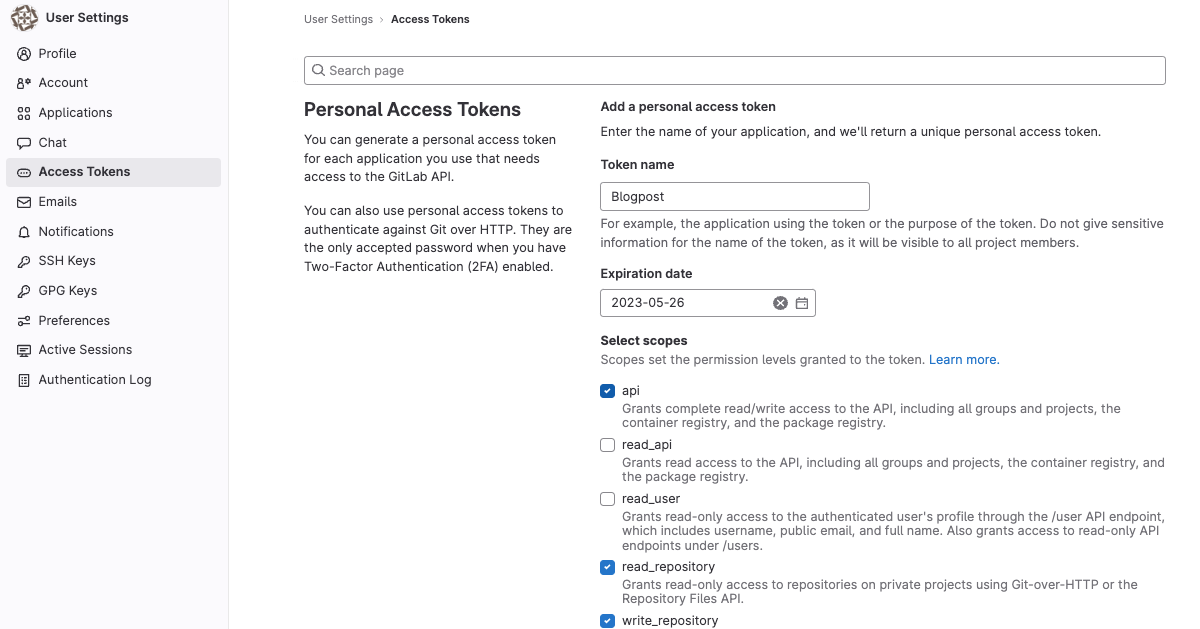
A Short Overview: GitLab Tokens
During my recent work on extending our GitLab packaging capabilities, I came across various types of tokens that can be used to authenticate users, services, and pipelines while using GitLab CI/CD. Each token has its unique features and use cases that can help ensure...

Feedback Week & Community Call
It's here! We're starting today! The Icinga Feedback Week: an entire week dedicated to you, as well as honoring those that are dedicated to the community. By asking you questions and getting your answers, we’re gathering your thoughts and feedback, which are very...

Why is Icinga called Icinga?
It's the year 2009, a nice weekend in late spring and a small group of monitoring enthusiasts comes together to discuss how to move forward with the idea of forking Nagios. Plans were made to make it faster, easier, more scalable, and simply better. Of course, such a...
Why Open Source Cloud Monitoring?
When operating a larger business or project, one problem comes quickly apparent: How can I know that my servers and their applications are up and the performance is good across the board? The answer is, of course, monitoring software. But why someone should consider...

Subscribe to our Newsletter
A monthly digest of the latest Icinga news, releases, articles and community topics.