
Icinga Insiders: How User Research Shapes the Future of Icinga Web Icinga Insiders is one of our core initiatives for involving users directly in the ongoing development of Icinga Web, its modules,...

Icinga Insiders: Collaborating With Users to Improve Icinga Web
Icinga Insiders: How User Research Shapes the Future of Icinga Web Icinga Insiders is one of our core initiatives for involving users directly in the ongoing development of Icinga Web, its modules,...
Releasing Icinga DB v1.5.1
Today we are announcing the release of Icinga DB version 1.5.1. This release addresses the issue of leaking SQL prepared statements when Icinga DB is configured as a source for Icinga Notifications. Each time the custom variables for an Icinga Notifications event were...

Exploring C++20 Coroutines: A Practical Look at Stackless Coroutines vs Boost.Coroutine2
Introduction Icinga 2 makes heavy use of Boost.Coroutine2 in our network code, which are stackful coroutines that are designed to work well with the IO operations from Boost.Asio. This has proven to be a challenge whenever we wanted to asynchronously await things...
Monitoring Automation with Icinga Director – Simplify Configuration Management
Automating the monitoring process for a huge amount of servers, virtual machines, applications, services, private and public clouds is a main driver for users when they decide to use Icinga. In fact, monitoring large environments is not a new demand for us at all. We...
Icinga Notifications: Custom Channel Plugins
As many of you have already seen in our previous blog posts and our early beta release, we're working on a new, independent notification module. Right now, we only offer three ready-made channels for sending notifications. Today, I want to show you how you can create...
Announcing Icinga for Kubernetes v0.2.0
We are excited to announce the release of Icinga for Kubernetes v0.2.0! This update brings a host of new features and improvements that enhance our monitoring solution for Kubernetes. It makes it easier than ever to analyze problems and understand complex Kubernetes...
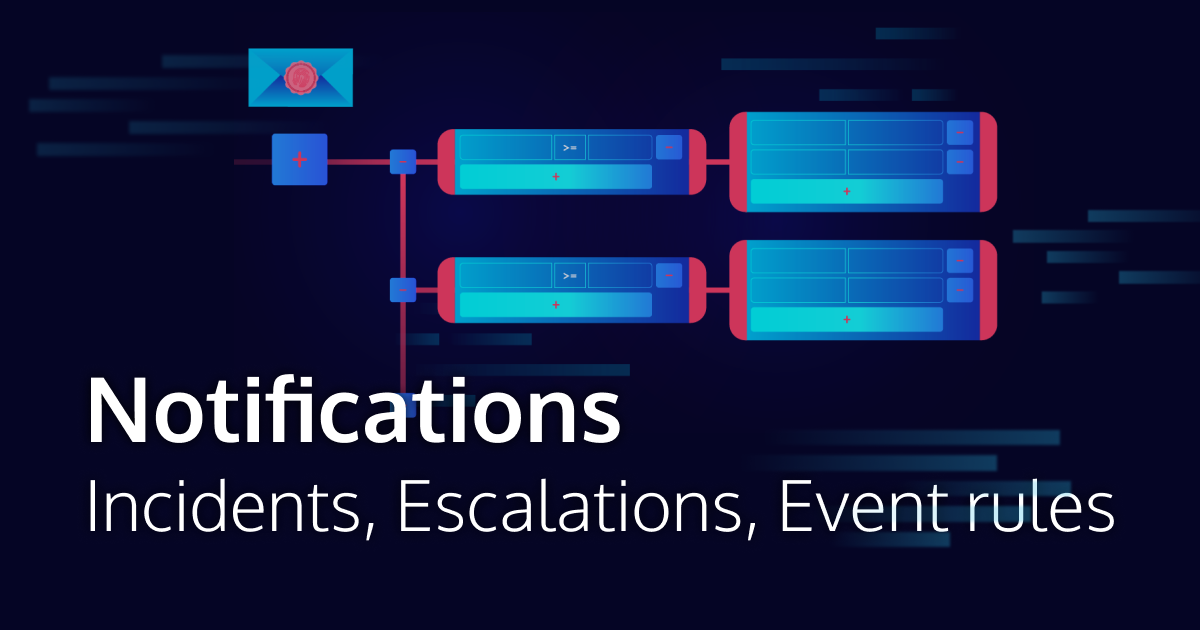
Icinga Notifications: Incidents, Escalations, and Event Rules – How to Manage Alerts Effectively
Following the Icinga Notifications beta announcement, we already had a more general post on how to get started and one going into the details of schedules. This week's blog post is a follow up in this series and will describe incidents, escalations, and event rules in...
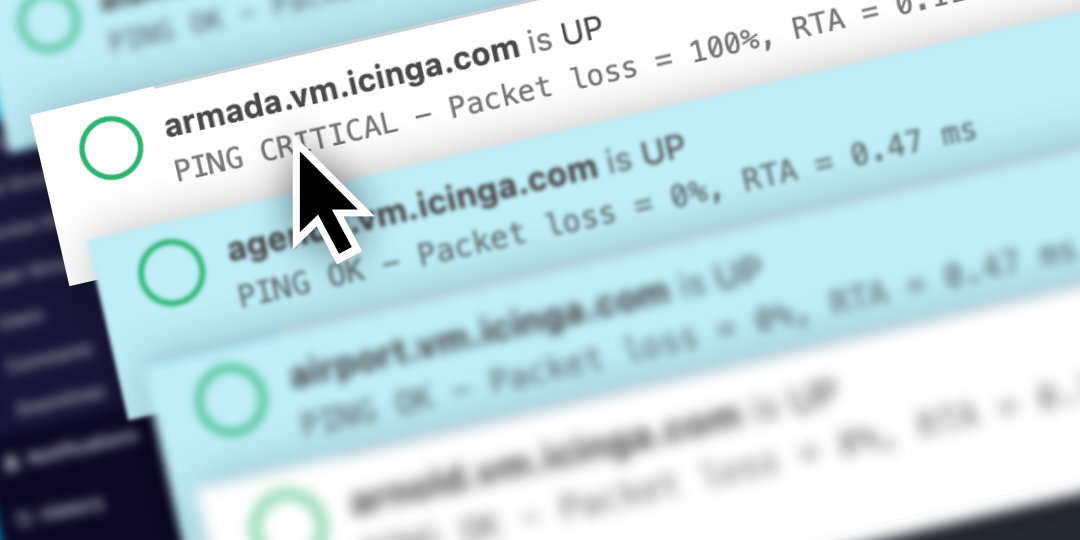
Multi Element Selection in Icinga DB Web
From time to time we want to bring not so widely known features of Icinga into spotlight. In this effort it’s a not so obvious feature, that was available in the monitoring module of Icinga Web 2 at some point already. It has also been available in Icinga DB Web since...
Releasing Icinga for Windows v1.13.0-Beta1
Today we are very happy to announce the first beta release of Icinga for Windows with version 1.13.0.0! This new release provides a huge number of improvements and changes to the Framework as well as the default Windows Plugins, which we will talk about later on. Why...

Icinga Director: Cloning dictionary row entries for objects from import sources
Over use of dictionaries in monitoring leads to complex and ugly configurations. This in turn makes monitoring complicated. Hence, it is advisable to use it, only if it is needed or in special cases. Even in these cases it is worthwhile to keep it simple. On that...
Visualise your Icinga Cluster with Clustergraph
This is a guest blogpost from Dave Kempe from Sol1 At Sol1, we provide services around scaling and automating Icinga rollouts for customers. In large environments, we make heavy use of the excellent distributed monitoring features of Icinga to build redundant clusters...
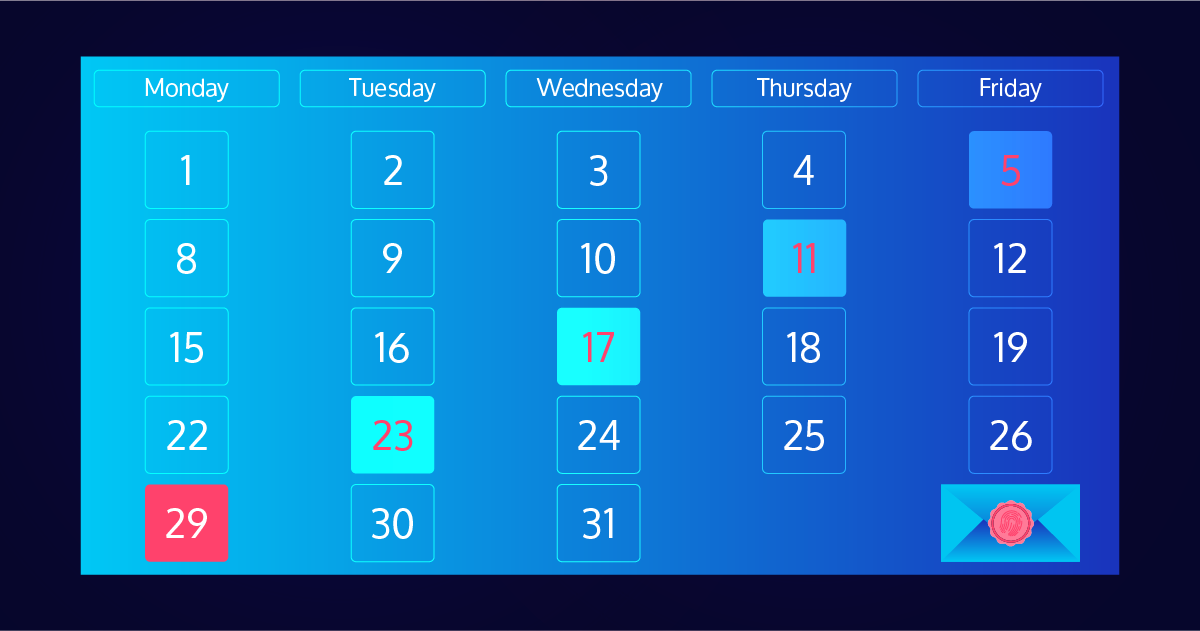
Icinga Notifications Web: Schedule configuration
A few weeks ago, we released the first beta version of the Icinga Notifications Web module. The Configuration tab provides the option to create schedules that can be used as recipients for notifications. What is a Schedule and how does it work? A schedule is a...

Subscribe to our Newsletter
A monthly digest of the latest Icinga news, releases, articles and community topics.