
A Fresh Take on Form Element Decorators Decorators have always been a powerful concept in Icinga Web’s form system — letting developers control how form elements are displayed without hardcoding...

Ipl-html: Introducing new Form Element Decorators
A Fresh Take on Form Element Decorators Decorators have always been a powerful concept in Icinga Web’s form system — letting developers control how form elements are displayed without hardcoding...

Using Icinga 2 on NixOS
I use NixOS by the way. And today I'm going to show you how to operate a simple Icinga setup using that operating system. I.e. a single node with checks and notifications. In contrast to Icinga Web 2 or Redis, NixOS provides an Icinga 2 package, but no module....
How to check CPU usage on Linux
When your Linux system feels sluggish, one of the first things to investigate is the CPU usage. The CPU (Central Processing Unit) is the brain of your machine, and if it’s overloaded, everything else slows down. In this guide, you’ll learn different ways to Linux...
Icinga DSL: A couple of (unconventional) examples
Today I will show you a couple of out of field useful functions from the Icinga DSL I use when creating some testing configurations for Icinga 2. Using the Icinga DSL is easy, quick and a good way of testing and validating your Icinga setup. Icinga 2 console...
Rule based monitoring with Icinga apply rules
Apply rules simplifies creation of objects like Service, Notification, Dependency, ScheduleDowntime which require object relation. In this blog post we will understand rule based monitoring with Icinga apply rules with examples. Requirement: Icinga 2 and Icinga Web 2...
Setting up Graphite from Scratch on Icinga Web 2
Introduction In this post, I will show you how easy you can integrate Graphite with Icinga Web 2. I assume you have a Icinga 2 ready with Icinga Web 2 Server running, and you have an additional Linux Server where you will install Graphite. It's recommended to have...
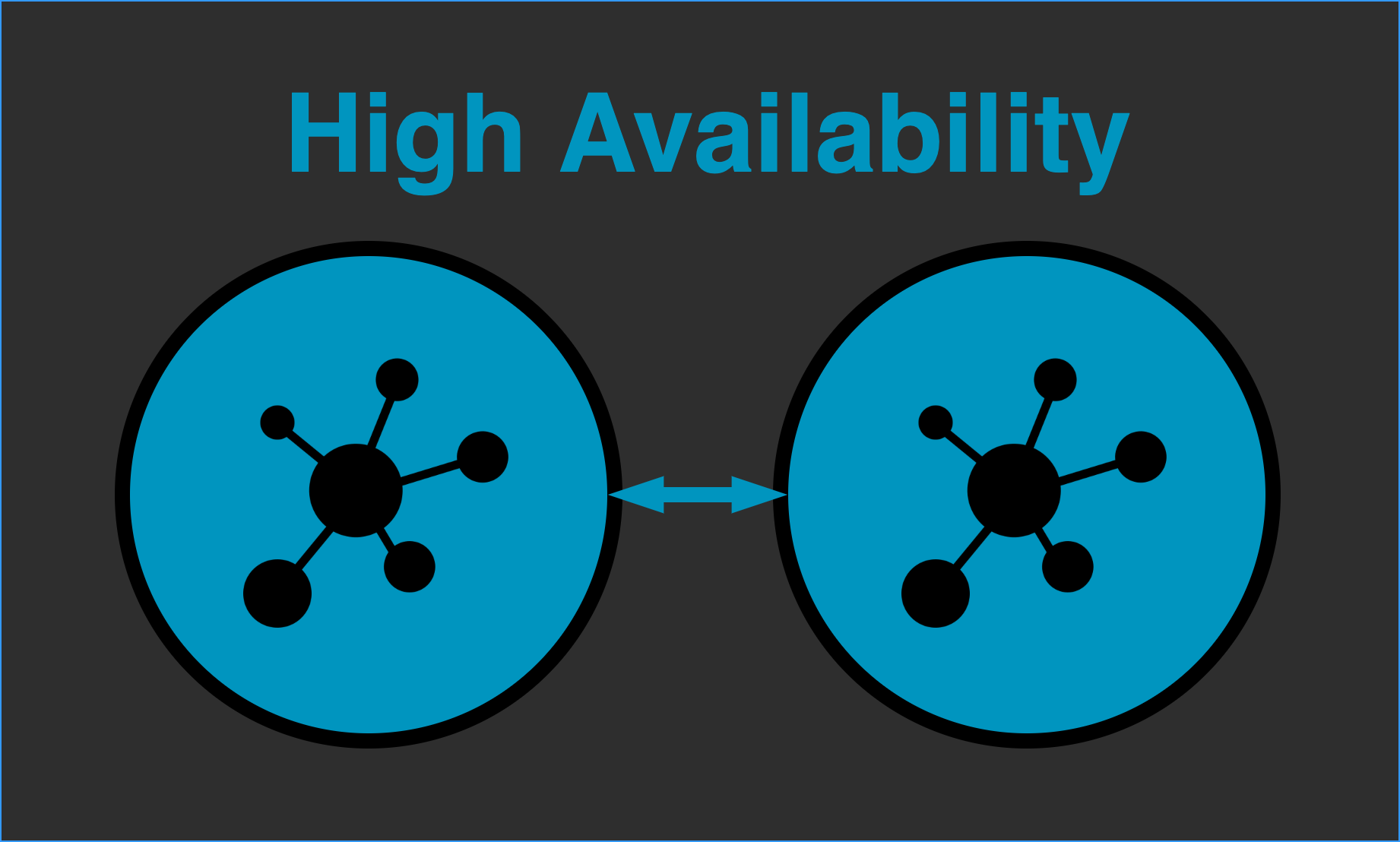
How to set up High-Availability Masters
When getting started with Icinga 2, a single master instance is often sufficient. However, if your monitoring is business-critical, you’ll need to set up High-Availability Masters to ensure redundancy and stability. This post will guide you through the process of...
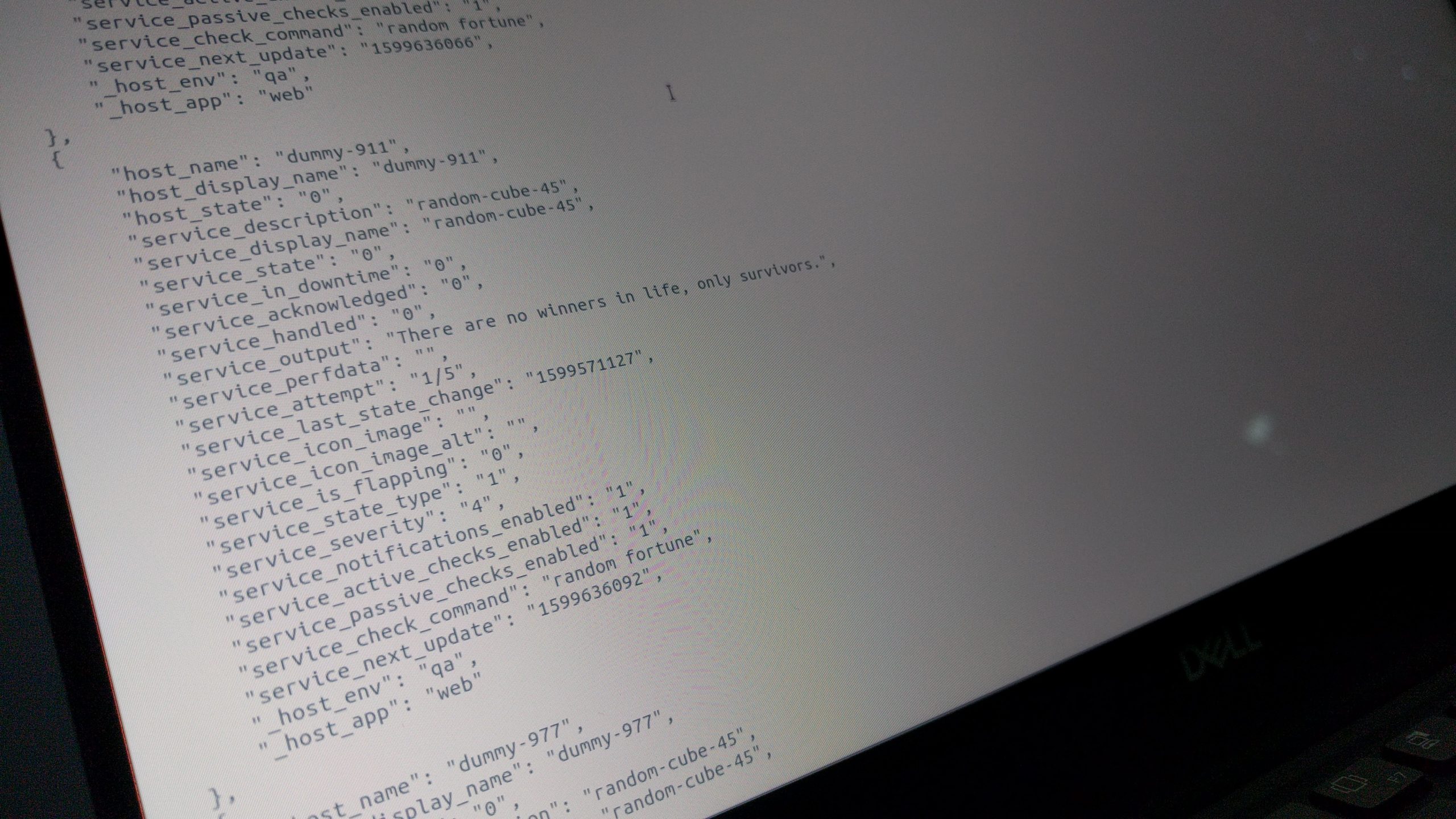
Exporting Data from Icinga Web 2
Today we will talk about exporting data (such as hosts and services) from Icinga Web 2 into various formats. Exporting From the UI You have probably already seen the drop-down in the upper left corner of a list? If you hover there with your mouse or focus it by...
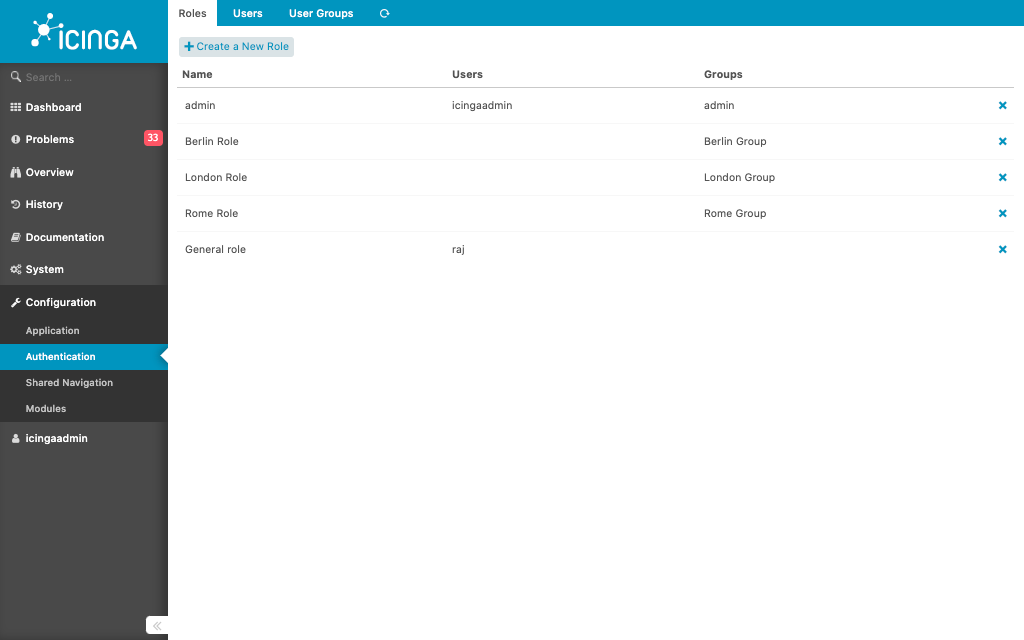
Icinga Web permissions and restrictions (how do they work, examples)
Permissions and restrictions are something used to control how much access is provided to a particular user or user group. Therefore one must first understand what is the role of a user or a group. Requirement: Icinga 2 and Icinga Web 2 installed. Hosts and services...
Icinga 2, Icinga Web 2 and Director Kickstart on CentOS 7
INTRODUCTION The easiest way to get started with Icinga is a single-node installation. If you are new to the Icinga world, here you have a kickstart for installing Icinga 2, Icinga Web 2 and Icinga Director on CentOS 7. With these steps you will have a ready Icinga...
Creating a host through the Icinga 2 API
Learning about the Icinga API can be an eye opening moment for some, and lead to a path of automation and configuration management. But where to start? Well, you can always check out the Icinga API documentation for that. But today, I have an idea for you - I’ll show...

Using Command Endpoint to execute Checks on Agents
Getting started using Icinga in a single node setup can already be quite a challenge for new users. Configuring checks on multiple nodes can seem at lot harder. With this blog post I will show you how easy it is to configure hosts and services in such an environment....

Subscribe to our Newsletter
A monthly digest of the latest Icinga news, releases, articles and community topics.