
The Icinga team would like to announce the forthcoming releases of Icinga 2 versions 2.16.2, 2.15.4, and 2.14.9. These releases will be made available on Monday 29th June 2026 between 12:00 and...
Icinga 2 Security Update Preannouncement
The Icinga team would like to announce the forthcoming releases of Icinga 2 versions 2.16.2, 2.15.4, and 2.14.9. These releases will be made available on Monday 29th June 2026 between 12:00 and...
Releasing Icinga 2 v2.16.4
Today, we are announcing the availability of Icinga 2 v2.16.4. This release contains a number of fixes for various smaller but annoying bugs, including one regression regarding API authentication with certain HTTP client libraries. It also ensures that Icinga 2 is...
Icinga 2 v2.16.1 Bugfix Release
Today, we are announcing the release of Icinga 2 v2.16.1 which fixes an issue with some performance data writers. We have received a number of problem reports for v2.16.0 which could be traced back to some rework of the writers we did in that version. These issues can...
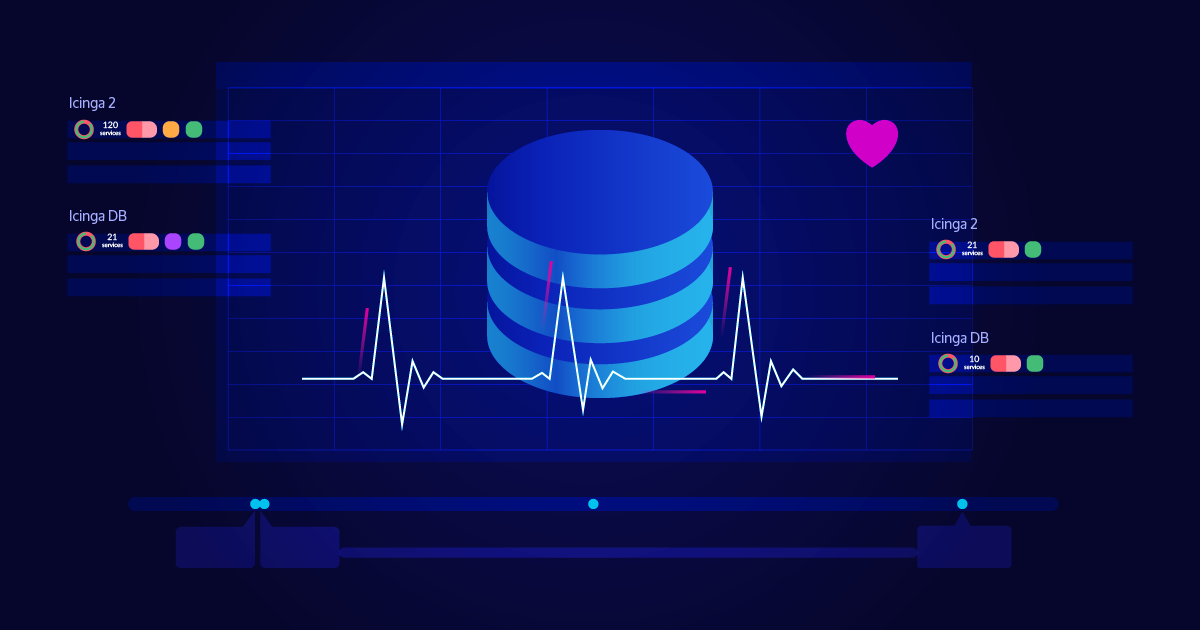
Monitoring the Monitoring: Demystifying the Icinga DB Health Check
In this post we will take a look at the icingadb check command built into Icinga 2 for monitoring the health of Icinga DB. If you have already configured it, this blog post will give you some insights on what it actually checks, otherwise, it showcases what useful...
Critical Icinga 2 Security Releases: 2.14.3, 2.13.10, 2.12.11, 2.11.12 (CVE-2024-49369)
Today, we are releasing security updates for Icinga 2 fixing a critical vulnerability that allowed to bypass the certificate validation for JSON-RPC and HTTP API connections. Impact The TLS certificate validation in all Icinga 2 versions starting from 2.4.0 was...
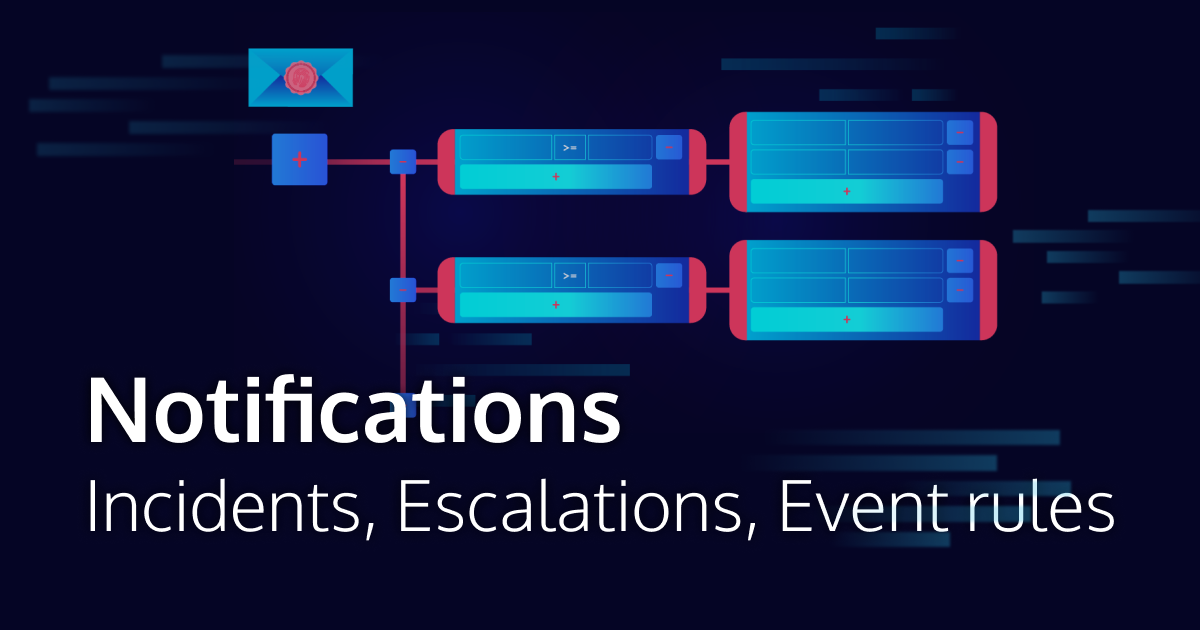
Icinga Notifications: Incidents, Escalations, and Event Rules – How to Manage Alerts Effectively
Following the Icinga Notifications beta announcement, we already had a more general post on how to get started and one going into the details of schedules. This week's blog post is a follow up in this series and will describe incidents, escalations, and event rules in...

Making Use of Previous State in Icinga2 Check Commands
When writing a custom check plugin for Icinga 2, there are situations where in addition to observing the current state of a system, taking the past into account as well can be helpful. A common case for this is when the data source provides counter values, i.e. values...

Analyzing configuration problems with Icinga 2
Today, I want to showcase an old, but still very useful, tool when it comes to analyzing and debugging an Icinga 2 configuration: the icinga2 object list command. It can be helpful in a variety of situations, for example when you want to verify that a config change...

Dependency Redundancy Groups in Icinga 2.14
Icinga 2.14 introduced a new feature that allows to better model complex dependencies between your hosts and services: redundancy groups. Let's take an e-mail server as an example. In order to deliver outgoing messages, it has to look up the addresses of the...
Releasing Icinga 2.14 and 2.13.8
We are happy to announce the release of Icinga 2.14.0 and 2.13.8 today. Especially the 2.14.0 release comes with a lot of fixes and improvements and this blog post will highlight the most important ones. There are some breaking changes in 2.14.0, so please make sure...
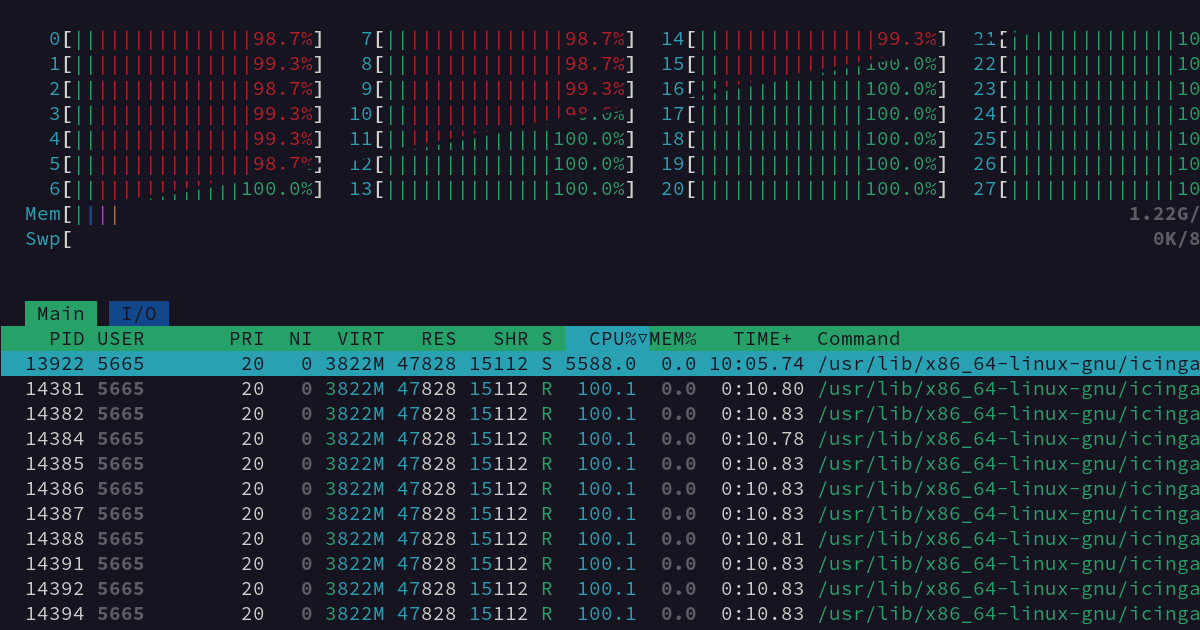
The Tale of a Single Lock in Icinga 2
To speed up startup and reload times of Icinga 2, we have already put a lot of effort into improving the configuration load performance and still continue to do so for the next major release. In this blog post, I will share the story of one particular issue we found,...

Authenticating Icinga 2 API Users with TLS Client Certificates
When interacting with the Icinga 2 API, the client is commonly authenticated using a password provided via HTTP basic auth. Icinga 2 also supports a second authentication mechanism: TLS client certificates. This is a feature of TLS that also allows the client to send...

Subscribe to our Newsletter
A monthly digest of the latest Icinga news, releases, articles and community topics.