
When your Linux system feels sluggish, one of the first things to investigate is the CPU usage. The CPU (Central Processing Unit) is the brain of your machine, and if it’s overloaded, everything...

How to check CPU usage on Linux
When your Linux system feels sluggish, one of the first things to investigate is the CPU usage. The CPU (Central Processing Unit) is the brain of your machine, and if it’s overloaded, everything...
What is SNMP Trap: Real-Time Alerts for Network Monitoring
Why wait for the next poll? An SNMP trap is a real-time alert sent from a device to a monitoring system, without waiting for polling. Ever had a router die silently at 3 AM while your monitoring system was still polling away every 5 minutes? Yeah… not fun. That’s...

Icinga Experience: Insights from Real-World Icinga Deployments Across Industries
Introduction Modern IT environments are hybrid, distributed, and constantly growing. To keep them reliable, organizations rely on monitoring that scales, automates, and integrates seamlessly into existing workflows. We collected 24 Icinga customer stories from...
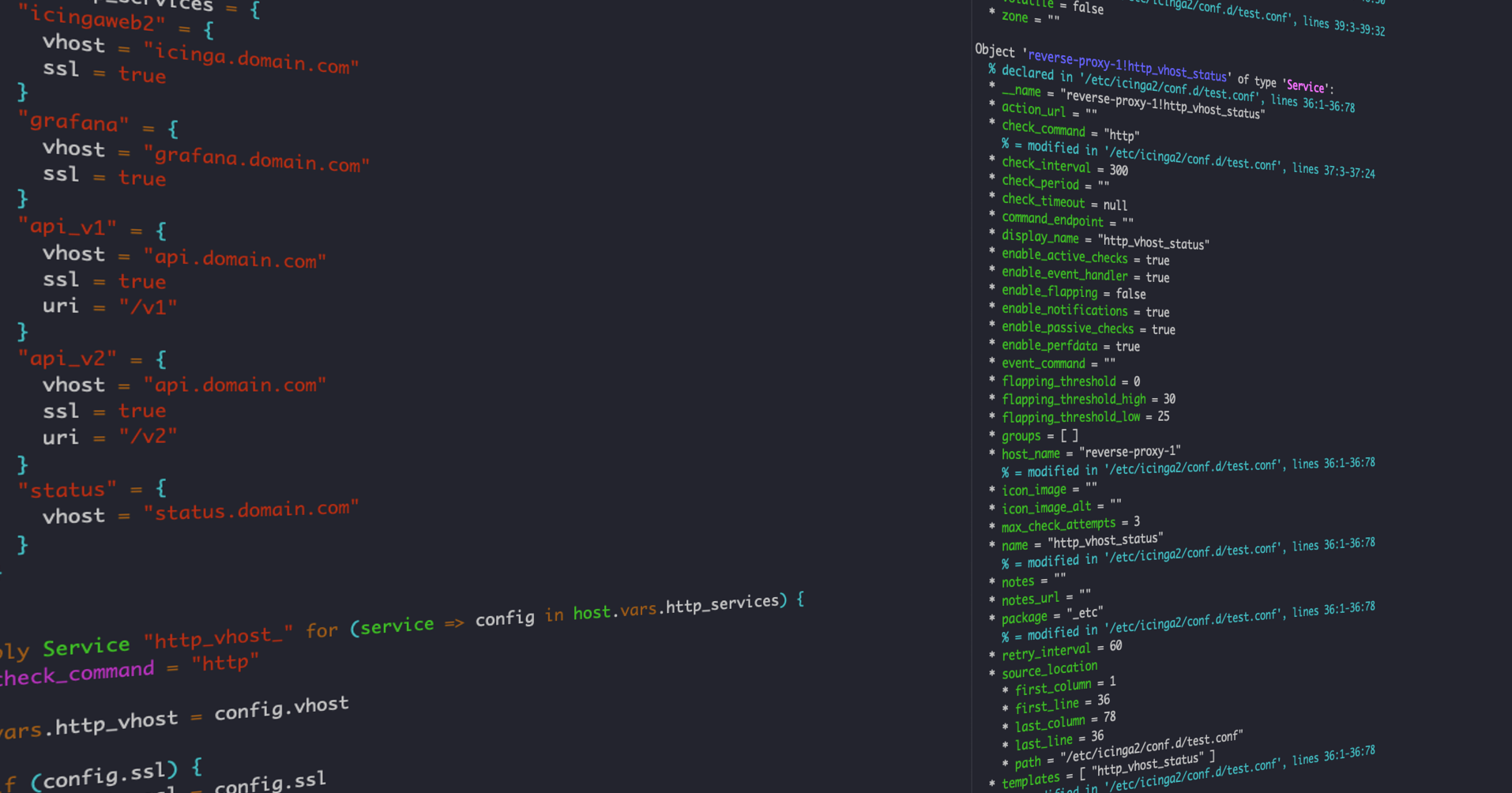
Icinga 2 Config Language (DSL): Advanced Apply Rules
As many users of Icinga don't know what the DSL has to offer, I'm going to show you how to use custom variables and apply for rules to make your life easier when writing configuration for your Icinga environment. Idea In this example we will use custom variables on a...

Icinga 2 Config Sync: Behind the Scenes
Today's blog post dives into the internals of Icinga 2 and will give you an overview how the config synchronization works internally. We will take a small cluster as an example and follow the configuration files through the synchronization mechanism. We assume some...
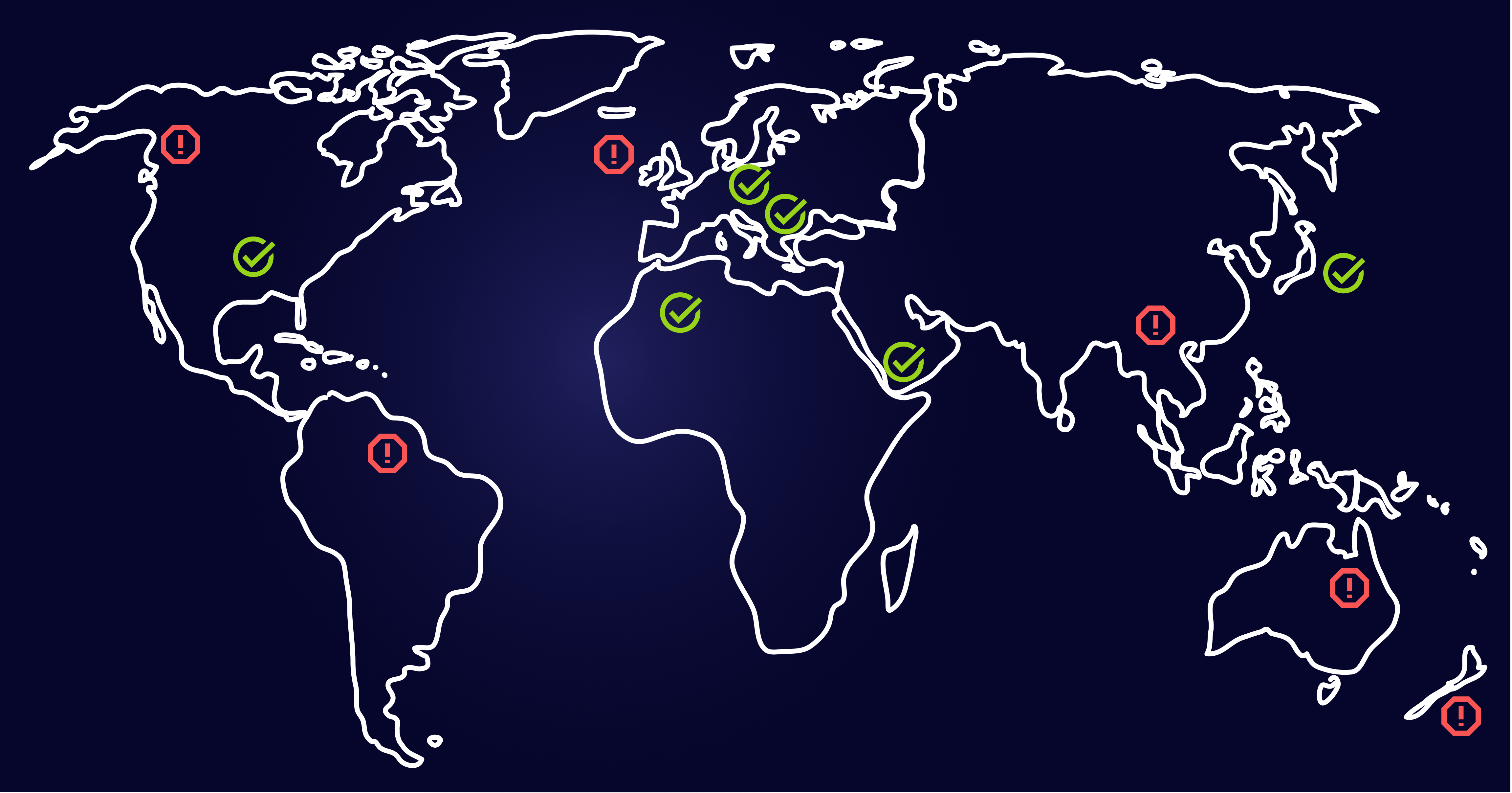
Sol1 Releases Meerkat – Next Generation Dashboards for Icinga 2
This is a guest blogpost from Dave Kempe from Sol1 Meerkat is a lightweight Go and Javascript Icinga 2 client, that connects to the API and displays the status of various checks using elements, like cards, SVGs or images. If you need new users to see at a...
Releasing Icinga 2.11.8 + 2.12.3: Security and small improvements
Today we are releasing the 2.11.8 and 2.12.3 security & bugfix releases. Both versions contain the same changes. They resolve a security vulnerability with revoked certificates being renewed automatically ignoring the CRL, issues with high load on Windows...
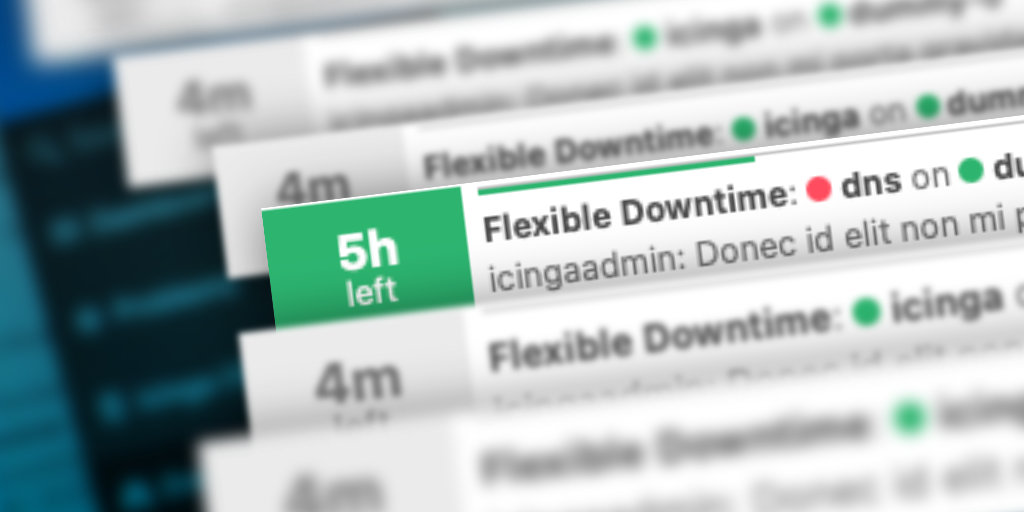
How downtimes are displayed in Icinga DB Web
With the development of Icinga DB we not only rebuilt the core of how Icinga stores and reads monitoring data. With a complete rebuild of the monitoring module we took the chance and refined most aspects of the user interface as well. One aspect that got attention is...

Managing the Icinga Director with Ansible
This is a guest blogpost from Sebastian Gumprich from T-Systems Multimedia Solutions GmbH --- Our company is using Icinga for quite some time now to monitor our whole infrastructure and its customers infrastructure. We deploy many Icinga instances for different teams...

Designing Icinga’s Brand Identity
„Thanks for coming! Thanks for supporting us as a company, as a product, as our people! Enjoy the wonderful night!“ A shower of confetti was pouring over the heads of celebrating people just as our CEO Bernd finished his sentence. „I Gotta Feeling“ by Black Eyed Peas...

Upcoming PostgreSQL Support for Icinga Certificate Monitoring
Our goal is to support both MySQL and PostgreSQL as a backend wherever we need a database. Our latest addition in this area was PostgreSQL support for reporting, which will be released in the next few weeks. We don't have PostgreSQL support for Icinga Certificate...

Docker: Secure, but comfortable images.
While developing Docker images for Icinga 2, Icinga Web 2 and Icinga DB we stumbled over OpenShift which doesn’t allow images to run as root by default. One has to enable that explicitly. Also admins of K8s environments being more permissive by default may decide not...

Subscribe to our Newsletter
A monthly digest of the latest Icinga news, releases, articles and community topics.